A Chronicle of NASCAR Championship Wins
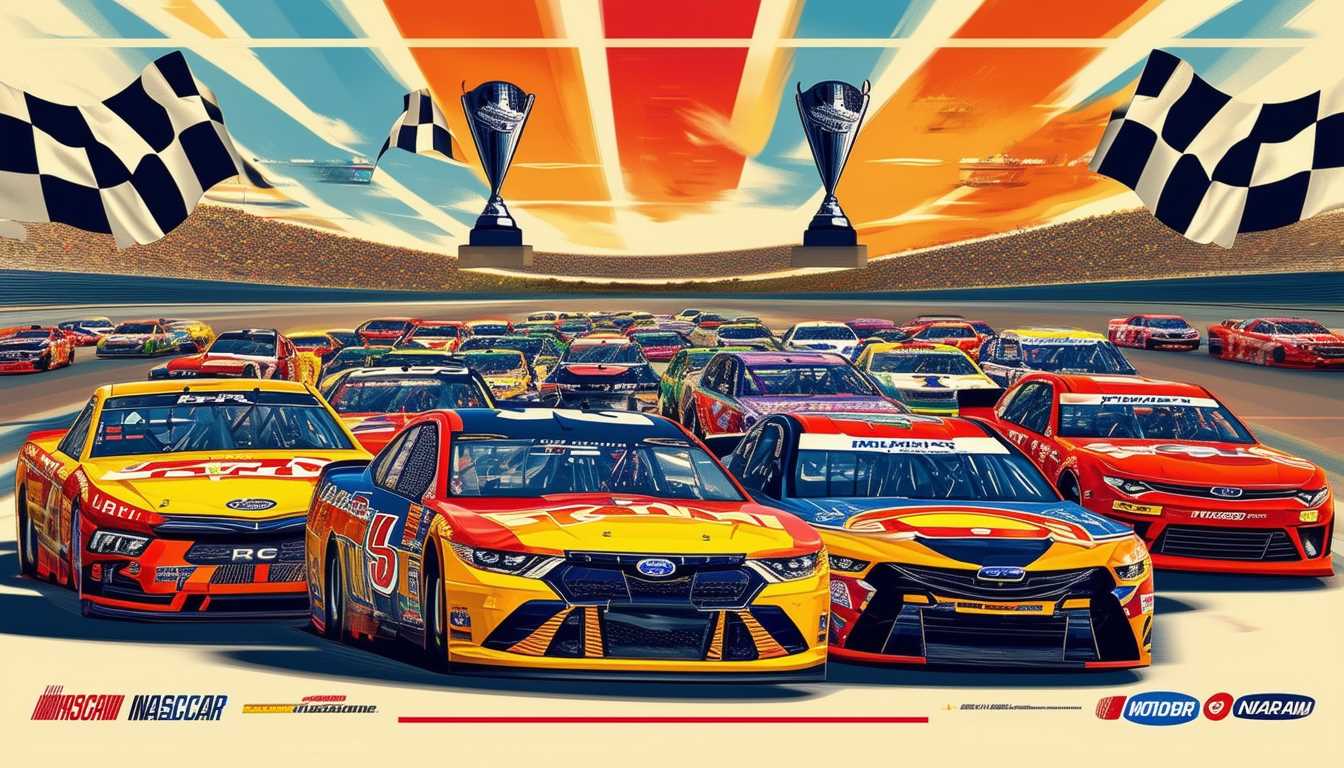
NASCAR’s championship history is all about speed, smart strategies, and never giving up. It started on simple dirt tracks and has evolved to high-tech circuits today. This change shows how the competition has grown, with standout drivers, top teams, and memorable races along the way.
This story isn’t just about looking back at the wins; it’s also about looking forward to the new legends who will emerge. By diving into this history, we get to see what it really takes to win in NASCAR, making it a thrilling ride for anyone who follows the sport.
The Early Years
In the early days of NASCAR, the sport was all about pushing the limits. Innovators and talented drivers were at the heart of its development, turning it into a competitive racing series. From the start, it was clear that setting rules and embracing new technology would be key to NASCAR’s success. This period focused on achieving higher speeds while also making the races safer, striking a balance between excitement and strategy.
One major step was making all the cars similar through standardization. This move, along with introducing a points system for races, made sure everyone had a fair shot at winning. It wasn’t just about having the fastest car anymore; drivers’ skills and clever strategies started to play a bigger role. These changes helped NASCAR grow from a local hobby to a national sensation and set the stage for the famous racers and memorable moments that would come later.
Let’s break it down a bit. Standardizing the cars meant that everyone was racing under the same conditions. Think of it as leveling the playing field. It was a game-changer because it meant that the outcome of the races depended more on the driver’s ability and the team’s strategy rather than just the car’s performance. This shift encouraged teams to get creative, finding new ways to edge out their competitors.
The introduction of a points system added another layer of strategy to the races. Instead of focusing solely on winning individual races, teams had to think about the overall championship. This change made every race matter and added a new level of excitement for the fans. It was no longer just about the thrill of the race day; it was about the journey throughout the season.
These early decisions were crucial for NASCAR’s growth. They helped transform it into the thrilling, strategy-filled sport we know today. By focusing on both speed and safety, NASCAR managed to create a racing experience that was not only exciting to watch but also fair and competitive. This foundation allowed the sport to attract a wider audience and build a legacy that continues to captivate fans around the world.
Iconic Drivers Emerge
As NASCAR grew, some drivers really stood out. They were skilled on the track and had a way of drawing people in, becoming the sport’s stars. These drivers were more than just athletes; they were like storytellers, making their mark with every race, rivalry, and act of sportsmanship. Their stories and personalities attracted more fans, helping NASCAR reach beyond its regional roots to captivate a national audience.
For instance, drivers like Richard Petty, Dale Earnhardt, and Jeff Gordon didn’t just win races; they became legends. Petty, known as ‘The King,’ won the NASCAR Championship seven times. Earnhardt, with his fearless driving style, also claimed seven championships, earning him the nickname ‘The Intimidator.’ Jeff Gordon brought a new level of skill and strategy to the sport, appealing to a younger generation of fans. Their achievements and personas played crucial roles in making NASCAR what it is today.
What’s important to understand is how these drivers changed NASCAR. They made it more than just a series of car races; they turned it into an engaging story that people wanted to follow. This shift wasn’t just about the drivers themselves; it was about making the sport more relatable and exciting for fans everywhere. By doing so, NASCAR became not just a sporting event, but a part of American culture.
This transformation shows the power of personality and storytelling in sports. It’s not always just about the game or the race but about the people who play it and their journeys. That’s what captures the imagination and loyalty of fans. In the world of NASCAR, these iconic drivers weren’t just competing for titles; they were building the narrative of the sport, making it richer and more compelling for everyone who watches.
Dominant Teams Rise
As the NASCAR series evolved, some teams started to stand out because of their exceptional strategies and teamwork. This success didn’t happen by chance. It came from careful planning, hiring the best drivers and pit crew members, and always looking for ways to improve. For example, Hendrick Motorsports and Joe Gibbs Racing became leaders in the field. They did this by organizing their teams well, excelling technically, and planning their races smartly.
These teams showed that attracting and developing talent was key. But they also used technology and data analysis in new ways, changing how teams win in NASCAR today. Let’s take a closer look at how they did it.
First, consider how these teams approach recruitment. They don’t just look for the fastest drivers; they seek individuals who can work well within a team, have a deep understanding of the cars, and can adapt to new strategies quickly. This comprehensive approach to building their teams ensures they have the best people on and off the track.
Then there’s the use of technology. Today, data analytics plays a massive role in how teams make decisions. By analyzing performance data, teams like Hendrick Motorsports and Joe Gibbs Racing can make precise adjustments to their cars and strategies, often in real-time during races. This ability to quickly adapt and optimize performance is a significant advantage.
The impact of these practices is clear. These teams have set records, won numerous championships, and built legacies in the NASCAR series. Their success shows other teams and industries the value of strategic planning, talent development, and the innovative use of technology.
In conversation, this might sound like, ‘You know, Hendrick Motorsports and Joe Gibbs Racing really changed the game in NASCAR. They showed that with the right team, technology, and strategies, you could dominate the sport. It’s not just about having a fast car; it’s about everything working together perfectly.’
Historic Races
In the history of NASCAR, some races have made a significant impact, not just because of their exciting finishes but also for how they influenced the sport’s development. The 1979 Daytona 500 is a prime example. This race marked a turning point for NASCAR, transforming it from a regional event into a national phenomenon.
What made it remarkable was that it was the first NASCAR race broadcast live on national TV from start to finish. This coverage introduced NASCAR to a wider audience and is remembered not only for the intense racing but for the unforgettable moment when a fistfight broke out on the infield. This dramatic incident caught the attention of viewers across the country, making the race a topic of conversation and significantly boosting NASCAR’s popularity.
Another notable race is the 1992 Hooters 500, which is famous for its competitive racing and for marking a transition in the sport. This race was significant for a couple of reasons: it was Richard Petty’s last race, ending the career of one of NASCAR’s legends, and it was also Jeff Gordon’s first, signaling the arrival of a new star. This juxtaposition of the old guard and the new talent underscored the ongoing evolution of NASCAR, highlighting the end of an era and the beginning of another.
These races illustrate the dynamic nature of NASCAR, emphasizing moments of intense rivalry, dramatic conclusions, and significant changes within the sport. By broadcasting these events live and capturing the drama both on and off the track, NASCAR was able to engage and expand its audience, setting the stage for its growth into a major national sport.
Modern Era Champions
In the world of NASCAR, champions like Jimmie Johnson and Kyle Busch stand out for their remarkable achievements. Jimmie Johnson, with his seven championships, matches the records of racing legends Richard Petty and Dale Earnhardt. This achievement highlights not just his skill but also his ability to adapt to changes in the sport, including new race formats and technological advancements. His success is a testament to strategic thinking and consistency, qualities that are crucial in today’s competitive racing environment.
Kyle Busch, with his two championships, is known for his versatility. He excels on a variety of tracks and in different NASCAR series, showcasing his broad skill set. This adaptability is essential in a sport that features a wide range of racing conditions and challenges.
These champions exemplify the evolution of NASCAR. They’ve mastered the art of racing, showing resilience and skill in a sport that demands both. Their achievements also pave the way for new talents, highlighting the importance of innovation alongside tradition in NASCAR.
In essence, the stories of Jimmie Johnson and Kyle Busch reflect the dynamic nature of NASCAR. Their careers offer insights into how the sport has grown and what it takes to succeed. They are not just champions; they are symbols of the sport’s ongoing evolution and its appeal that continues to captivate fans worldwide.
Conclusion
To sum it up, the history of NASCAR champions shows us how the sport has grown from its early days to what we see today. We’ve seen legendary drivers come and go, and some teams have really stood out.
Important races have marked key points in this journey, highlighting how the sport has changed and how the competition has evolved. Looking back at these champions, we’re not just celebrating their wins; we’re also seeing how NASCAR has embraced new ideas, fierce competition, and the determination to keep going, no matter what.
It’s a story that’s as much about the people and teams as it is about the cars and the races.